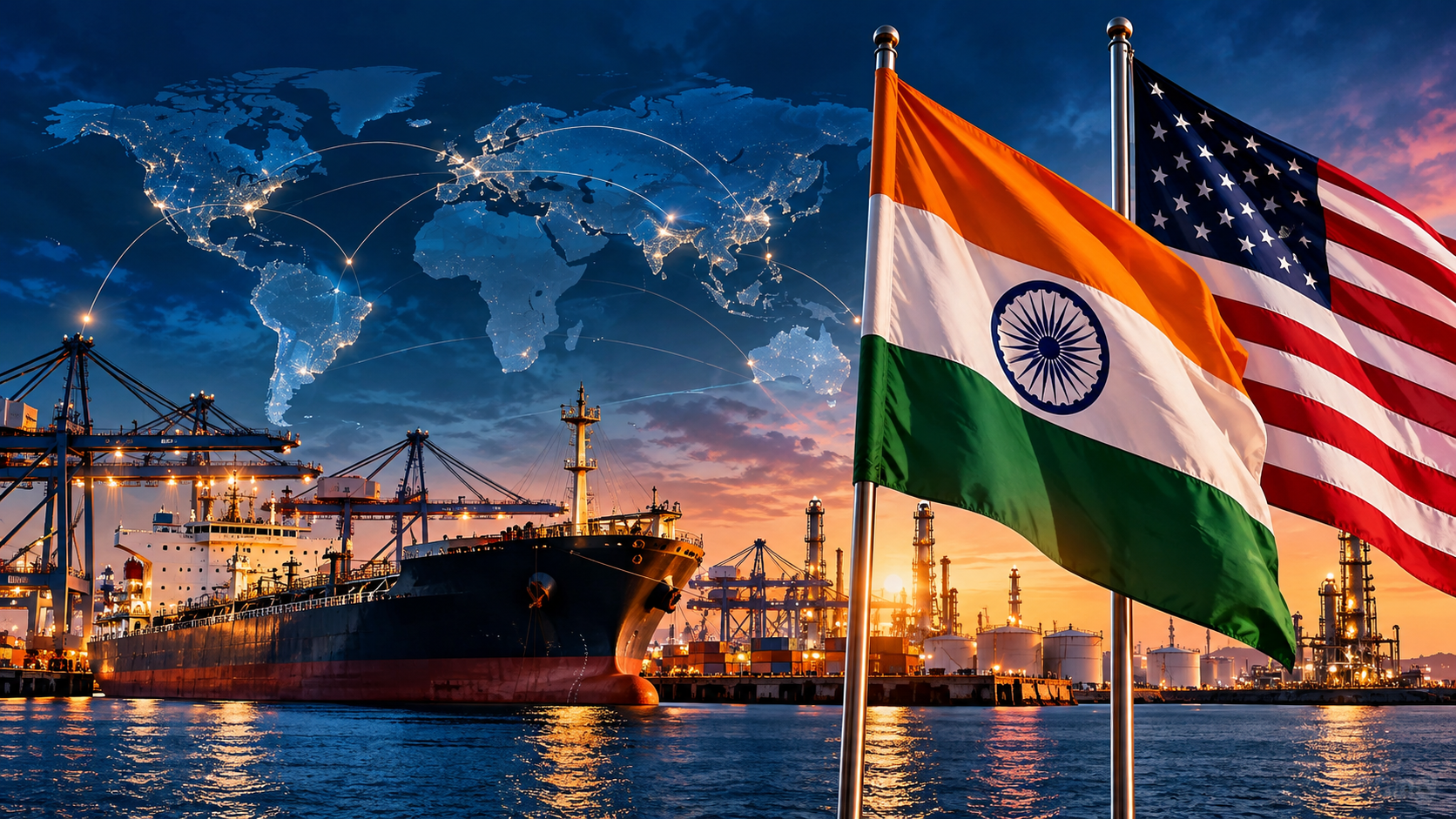
US–India Trade Deal Hopes Rise as Trump Pauses Russia-Related Sanctions
NEW DELHI, October 19, 2026: Prospects for an India–United States trade agreement have received a potential boost after US President Donald Trump waived key Russia-related sanctions and tariffs, easing immediate concerns over India’s continued purchases of Russian energy. US Secretary of State Marco Rubio has said the two countries are close to finalising a trade deal, although no completed agreement has been announced in the sources reviewed.
What Trump’s Russia Sanctions Waiver Means for India
According to Reuters reporting published on October 19, Trump issued an executive order on October 16 waiving key Russia-related sanctions and tariffs that had been expected to take effect during the following week. Trump said the decision was in the national interest of the United States.
The measures had raised the prospect of additional tariffs on countries purchasing Russian energy. India, a major importer of crude oil, faced potential exposure because of its purchases of Russian oil and its dependence on international energy supplies.
The waiver may reduce immediate pressure on Indian exporters and energy buyers. However, its precise legal scope and duration should be confirmed from the executive order. It should not be interpreted as a permanent settlement of the wider dispute.
US Says India Trade Deal Is Close
US Secretary of State Marco Rubio said on Monday that Washington was trying to finalise a trade agreement with India and was close to doing so. His remarks, reported by Reuters, offered a positive signal for negotiations but did not confirm that a deal had been signed.
Reuters also reported that Rubio was expected to visit India for discussions with External Affairs Minister S. Jaishankar. Trade, energy, investment and defence cooperation were among the issues expected to feature in bilateral discussions.
Why Russian Oil Matters to India’s Energy Security
India imports most of the crude oil it consumes, making international prices, shipping costs and access to alternative suppliers important to its economy. Changing suppliers can involve commercial and logistical challenges, including differences in crude quality, freight costs and refinery requirements.
Reuters reported that Russia accounted for nearly half of India’s oil imports earlier in 2026, although purchases had declined. That earlier figure should not be treated as India’s current import share without updated data.
Any impact on fuel prices, inflation or public finances will depend on future crude prices, import volumes, currency movements, taxes and domestic pricing decisions.
Trade Negotiations Still Face Challenges
Despite the more constructive tone, significant issues remain unresolved. Reuters reported that negotiations had been complicated by the threat of additional tariffs connected to Russian energy purchases. A US Section 301 investigation into alleged excess manufacturing capacity in several economies, including India, has also formed part of the broader trade backdrop.
The outcome of that investigation and any resulting measures could affect the commercial relationship. Tariff rates, product coverage, exemptions and implementation dates should not be described as settled until both governments publish definitive terms.
What Indian Exporters and Importers Should Watch
The waiver may provide some short-term relief from uncertainty, but companies should avoid making major pricing or sourcing decisions based solely on expectations of an imminent trade agreement.
Exporters should continue checking applicable US tariff rules, while importers and energy-intensive businesses should monitor developments affecting crude oil prices and supply arrangements. Logistics providers may also watch for changes in trade volumes and energy-related shipping costs, although any effect on freight rates remains uncertain.
What Happens Next?
The next important developments include official statements following US–India discussions, clarification of the sanctions waiver and publication of any formal trade agreement.
For now, the waiver offers potential negotiating space rather than a guarantee of a trade breakthrough. The clearest evidence of progress will be an official agreement setting out tariff commitments, sectors covered and implementation timelines.
Sources
- Reuters — Russia sanctions waiver and India trade deal prospects
- The Indian Express — Russia oil tariff waiver and India’s energy security
- Hindustan Times — Rubio’s remarks on US–India trade negotiations
This report is based on published reporting and attributed official statements. The waiver’s legal scope and the status of trade negotiations should be checked against official government announcements before publication.